1898
Guam becomes a U.S. territory

Under the Treaty of Paris ending the Spanish-American War, Spain ceded Guam to the United States. Guam had been under Spanish colonial administration since the 17th century.

Our story
Within living memory, nobody on this island elected anyone. Guam has chosen its own governor only since 1970. Here is the record — dates, laws, and rulings, every one of them sourced.
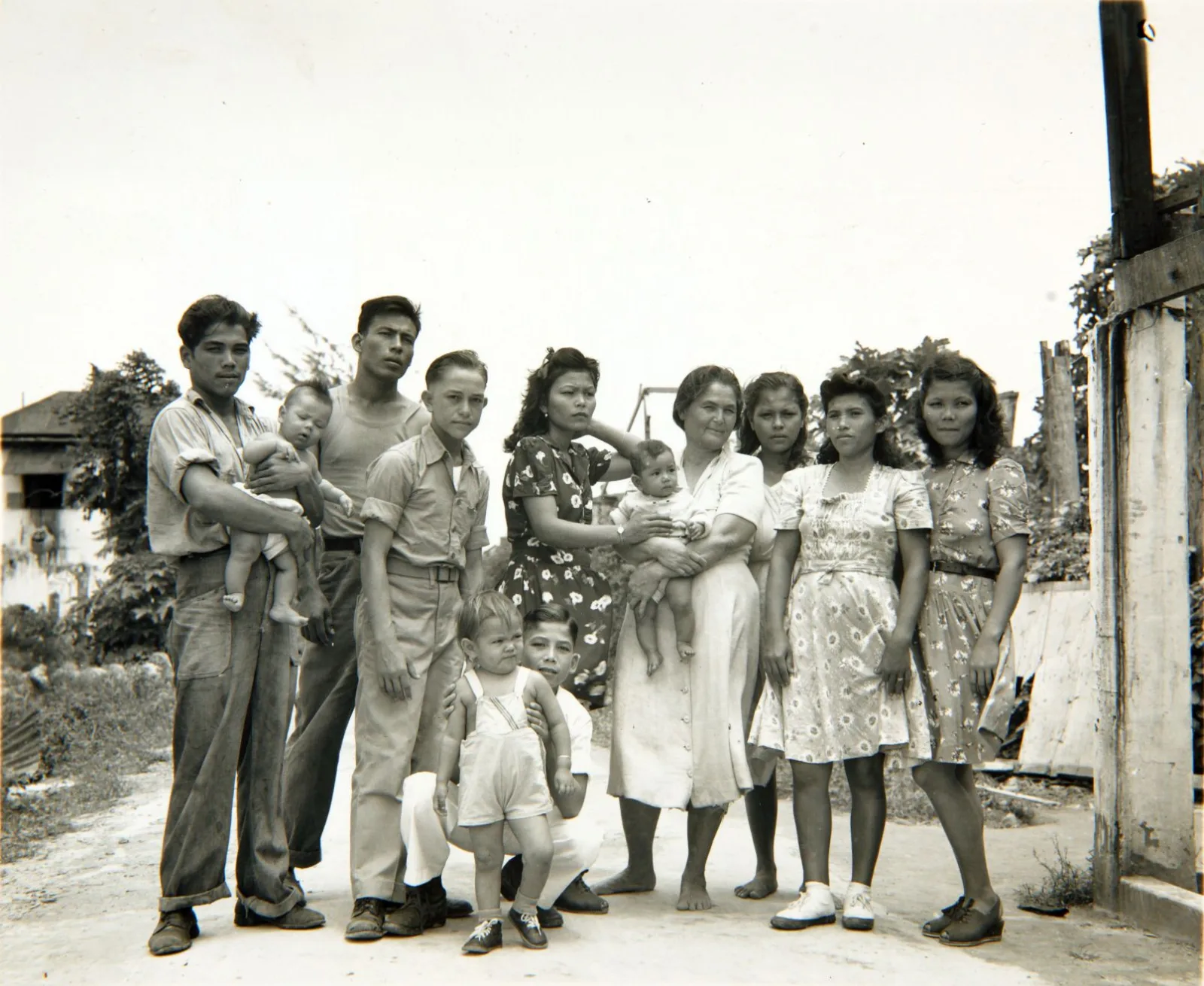
How we source this
Every entry carries its sources — tap any chip to read the original. We publish the record: what happened, when, and what the law or the court actually said. We don't publish what it means. Where a question is still contested, we say so and point you to where the 2026 candidates stand.
1898
Under the Treaty of Paris ending the Spanish-American War, Spain ceded Guam to the United States. Guam had been under Spanish colonial administration since the 17th century.
1899–1941
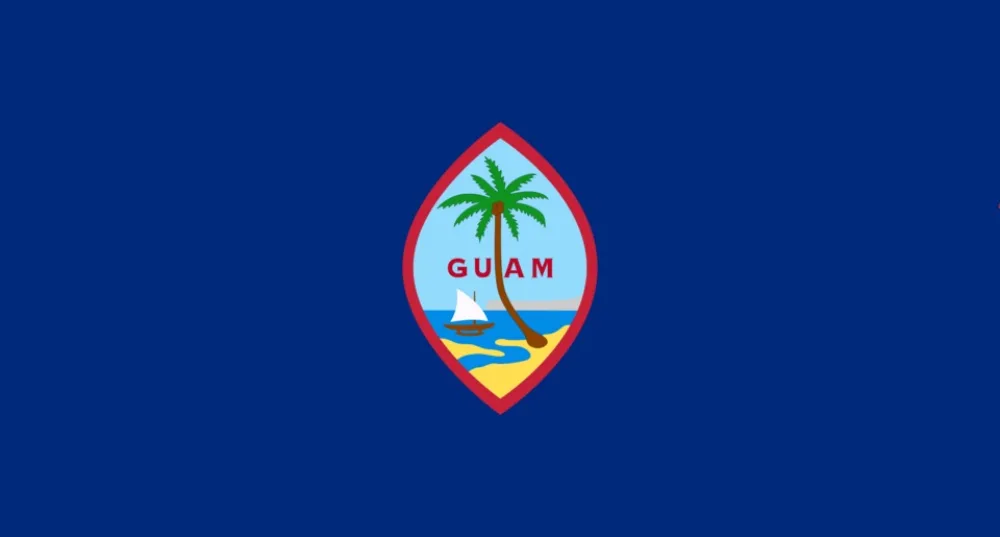
For roughly four decades, Guam was administered by the U.S. Navy. Governors were appointed, not elected. Residents were not U.S. citizens, and there was no elected territorial government.
1941–1944

Japanese forces occupied Guam from December 1941 until U.S. forces retook the island in July 1944 — commemorated on Guam as Liberation Day.
August 1, 1950
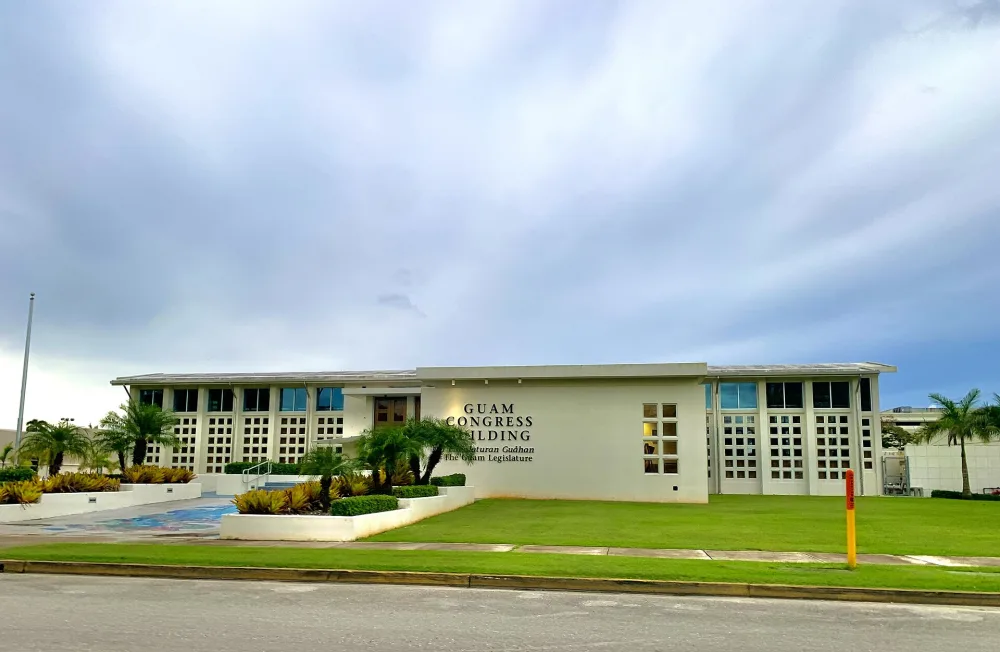
President Truman signed the Organic Act of Guam on August 1, 1950. It established a civilian government in place of Navy rule, granted U.S. citizenship to Guam residents at the time and their descendants, created the Guam Legislature, and set Guam's status as an unincorporated territory of the United States.
76
Guam votes on August 1, 2026 — exactly 76 years after the Organic Act was signed.
The Organic Act was signed August 1, 1950. The 2026 Primary falls on its anniversary.
1968
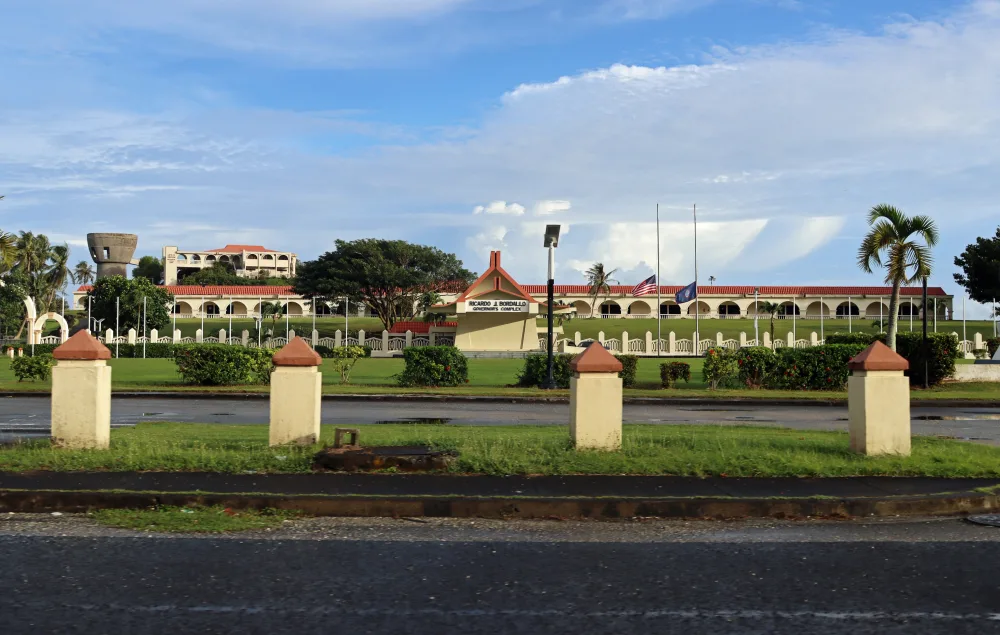
An amendment to the Organic Act — the Elective Governor Act — gave Guam residents the right to popularly elect their governor and lieutenant governor to four-year terms. Until this point, Guam's governors were appointed.
November 3, 1970
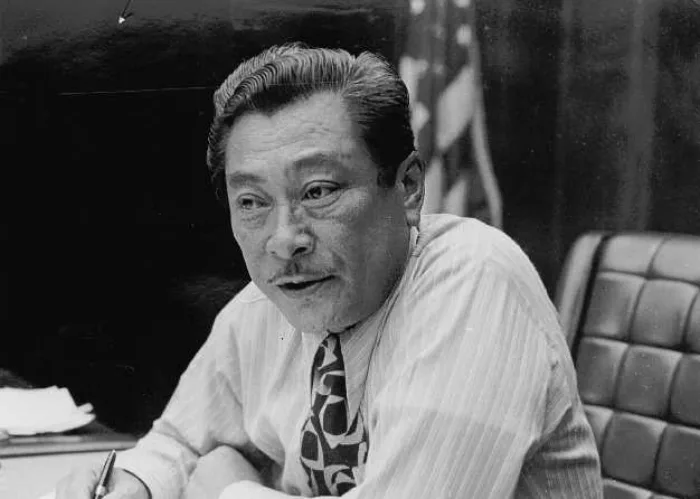
Guam held its first election for governor and lieutenant governor on November 3, 1970. Carlos Camacho became Guam's first elected governor. Every governor before him had been appointed.
Who's running for governor in 2026? →April 10, 1972
Public Law 92-271 established the office of Delegate to the U.S. House of Representatives for Guam and the U.S. Virgin Islands, elected to two-year terms.
January 3, 1973
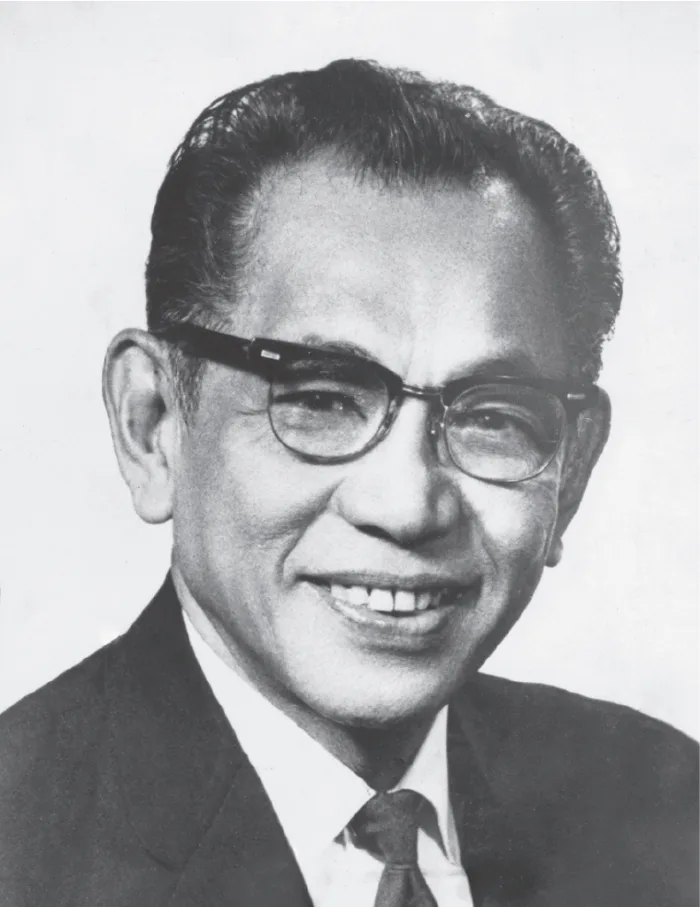
Antonio B. Won Pat took the oath of office in the 93rd Congress as the first person from Guam to serve as its Delegate. The Delegate can speak, serve on committees, and introduce legislation, but cannot vote on final passage of bills on the House floor.
1973 & 1975
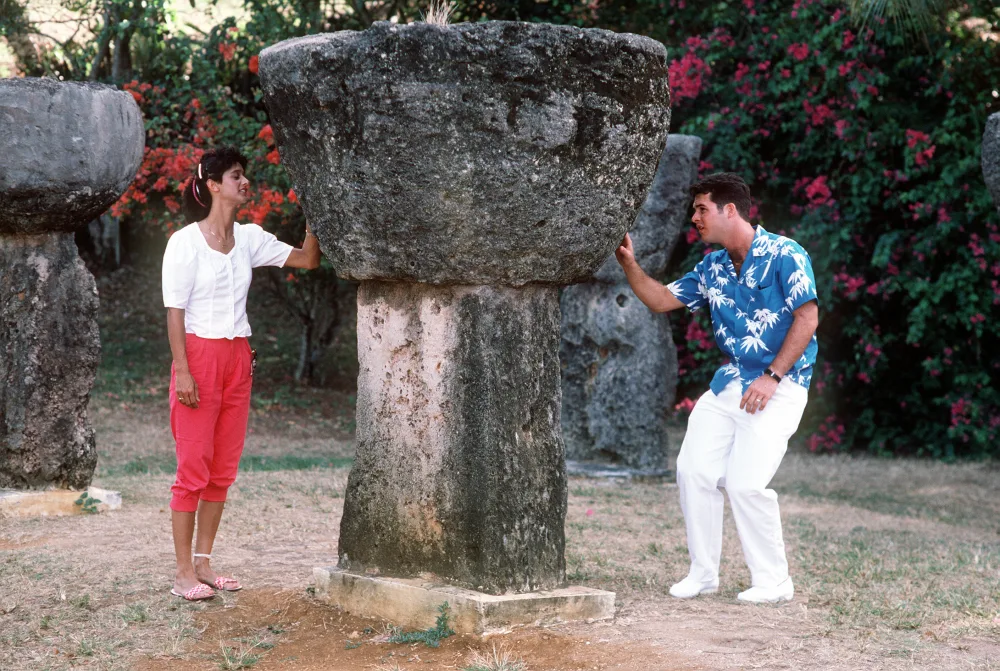
Guam leaders organized Political Status Commissions in 1973 and 1975 to examine Guam's political relationship with the United States.
1997
The 24th Guam Legislature created the Commission on Decolonization to assess the desires of the people of Guam regarding future political status and to educate the community about the options.
2000
Guam law provided for a plebiscite on Guam's future political relationship with the United States, with eligibility to vote in it limited to those defined as "Native Inhabitants of Guam," who could enroll in the Guam Decolonization Registry.
July 29, 2019
Arnold Davis, a Guam resident who did not meet the "Native Inhabitant" definition, was denied registration for the plebiscite and sued. The Ninth Circuit held that the classification served as a proxy for race, and that limiting the plebiscite vote to "Native Inhabitants of Guam" violated the Fifteenth Amendment. The plebiscite has not been held.
August 1 & November 3, 2026
Guam's 2026 Primary Election is Saturday, August 1 — 76 years to the day after the Organic Act was signed. The General Election is Tuesday, November 3. Voters elect a governor and lieutenant governor, the Delegate to Congress, 15 senators, and the Attorney General.
Meet everyone on the 2026 ballot →The participation record
Guåhan spent half a century without a vote, then fought for one. The question this section answers is what we've done with it since.
Every figure below comes straight from the Guam Election Commission's own Summary Results Reports — registered voters and ballots actually cast, with a link to the source document on each row. We don't estimate, and we don't round in our favor.
31.16%
of registered voters cast a ballot in the 2024 Primary — the lowest turnout in this record.
Across the elections below, primaries averaged 37.2% turnout and general elections averaged 52.6%. Guam's primary is what narrows each party's field for November.
2022 GeneralNovember 8, 2022
34,074 of 60,462 registered
2022 PrimaryAugust 27, 2022
23,679 of 58,152 registered
2024 GeneralNovember 5, 2024
30,283 of 62,098 registered
2024 PrimaryAugust 3, 2024Unofficial per GEC
18,793 of 60,313 registered
2026 PrimaryAugust 1, 2026Unofficial per GEC
22,852 of 57,406 registered
Figures come from the Guam Election Commission's own published Summary Results Reports (linked on each row) — never from news coverage, never estimated. Older cycles were transcribed by hand; 2026 was read from GEC's report by a script that refuses to publish unless every race reconciles to GEC's own printed totals. GEC's Election Comparative Analysis Reports go back to 1974 (gec.guam.gov -> Reports, Studies & Publications); earlier cycles can be added from those documents the same way. The 2024 and 2026 Primary summaries are GEC's UNOFFICIAL reports — labeled as such on the page. The 2026 Primary figures are GEC's complete 59-of-59-precinct count released August 2, 2026; absentee ballots were still being received and GEC had not certified, so that row stays unofficial until it does. All GEC results reports ↗
Still unsettled
Guam's political status remains an open question. So does whether — and how — a status plebiscite happens after the Ninth Circuit struck down the “Native Inhabitants” voting restriction in 2019. Vote Smart Guam takes no position on any of it. What we can tell you is where the people asking for your vote stand.
Spot an error or a missing source? Tell us at votesmartguam.com/contact — corrections outrank everything else here.